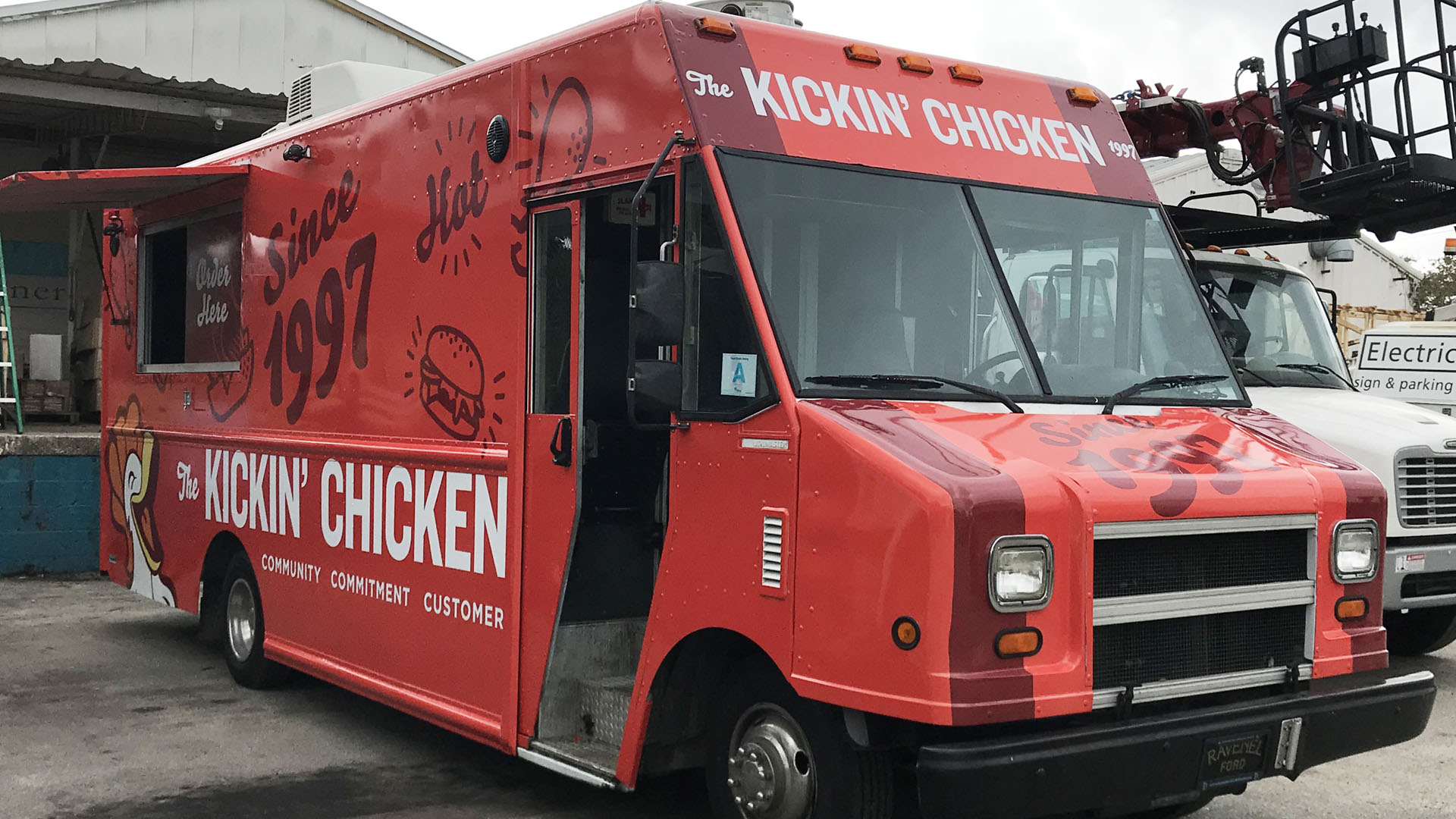
A wrapped vehicle should do more than look good at the pump. It needs to pull eyes in traffic, stick in memory at red lights, and turn a regular route into steady lead flow.
Owners tell us they worry about sinking money into the wrong approach and watching the phone stay quiet. People who Google “3M certified installers near me” are really asking a budget question. How do I get maximum results without wasting a dollar?
We hear that every week in our North Charleston shop. Our team designs, prints, and installs wraps in a climate-controlled bay, and we are certified on the materials we use. The goal is simple. Match the wrap type to the way your brand actually wins attention in your market, then build it to last.
The Quick Difference
Partial wraps cover targeted panels such as the rear hatch, hood, doors, or a sweeping diagonal across the sides. You use the factory paint as part of the design.
Full wraps cover nearly all painted surfaces. You get a complete canvas for photography, patterns, gradients, and bold color changes.
Both can deliver strong returns if they are planned around routes, audience, and the vehicle’s shape.
ROI Drivers That Matter
- Impressions per mile. High traffic corridors favor larger coverage and bolder elements. Lower traffic routes benefit from focused placements on rear and side zones where drivers stare the longest.
- Message complexity. A simple logo and URL often shine with a partial. Complex brand stories or photo-heavy concepts usually need the larger canvas of a full wrap.
- Update frequency. If you rotate offers each quarter, modular partial zones keep updates fast and affordable.
- Vehicle paint and condition. Full coverage can refresh a tired color and protect paint from UV. Clean, modern factory colors often pair well with partials that frame the body lines.
When a Partial Wrap Wins
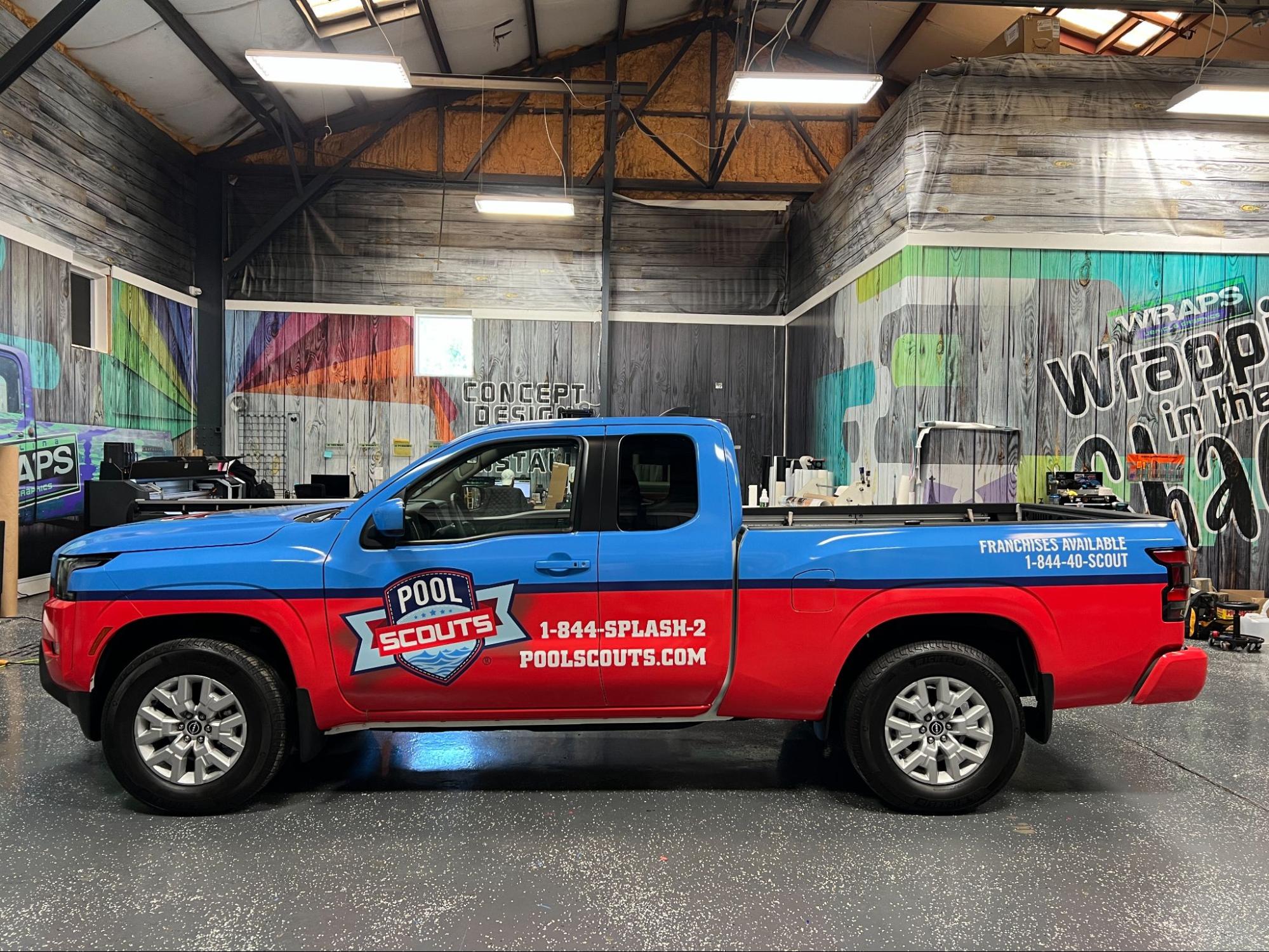
Hit the “Hot Spots”
The rear is the billboard of the road. Doors sit at eye level at stoplights. We design partials that load key info into those zones with high contrast, clean typography, and tight hierarchy. That is how a smaller coverage area punches above its weight.
Scale Across a Fleet
If you run five to fifty vehicles, a consistent partial lets you brand all of them now instead of a few later. We often combine a fleet standard with one or two full-wrap “flagships” for major routes.
Faster Updates
Seasonal campaigns, limited-time offers, and phone numbers that change are easier to swap on a well-planned partial. We pre-flight files so reprints move quickly through our in-house printer and into the install bay.
When a Full Wrap Pays Off
Dense Traffic and Urban Cores
Downtown corridors and event zones reward a full wrap. The surface area lets us scale letterforms and logos so they remain readable across lanes and through tinted glass.
Complex Graphics and Photography
Gradients, textures, and photo composites need room. A full wrap keeps edges clean and avoids awkward cuts at door seams that can disrupt the design on a partial.
Paint Protection Plus Branding
A full wrap shields paint from UV and minor abrasion. That preserves resale value while your vehicle works as a moving billboard.
Vehicle Type and Environment
Vans and box trucks offer big, flat sides that love both strategies. Crossovers and sedans often look stronger with partials that ride the body lines. Heavy equipment lives in rough conditions. In those cases, we frequently recommend robust decals or strategic partials so damaged sections can be replaced fast without redoing the entire unit. Food trucks lean full wrap because the exterior is the storefront. Boats and trailers depend on use and surface prep. We review each platform on site, then propose a plan that respects your reality.
People who Google “3M certified installers near me” want assurance the film and install will hold up. Our certifications matter here because proper surface prep, panel alignment, and post-heat technique dramatically affect lifespan.
We work inside a controlled environment, use high quality films and laminates, and document each job so replacements match.
Design Choices That Increase Payoff
- High contrast color pairs that stay readable in glare.
- Oversized phone and URL on the rear hatch. That is where conversions happen.
- Short headlines that read in a second.
- Panel-aware layouts that avoid door handle collisions and fuel door gaps.
- QR codes only if they test well from six to eight feet. Otherwise they waste space.
Budget Tips and Lifecycle
Partial wraps cut material and labor, which stretches budgets farther across fleets. Full wraps cost more up front yet pay off through higher impression density and paint protection.
Either way, ROI depends on clean installs, regular washing, and simple repairs when panels get dinged. Our team prints in house, tracks your color profiles, and keeps templates on file so replacement pieces match and installs stay quick.
Our Process That Removes Guesswork
Consultation and route audit. We map where your vehicles actually drive and park, then set goals.
Design with proofs. You review scaled mockups on your exact vehicle model. We adjust until spacing and legibility feel right.
Controlled production. Prints run on our calibrated equipment and rest before lamination for optimal bonding.
Certified installation. Panels are aligned, recessed edges are sealed, and post-heat is verified.
Ready To See What Fits Your Brand Best?
You do not need a guess. You need a plan that fits your vehicles, routes, and goals. Get a quote from Carolina Wraps and we will show you the smartest way to turn miles into leads, whether that is a targeted partial or a head-turning full.