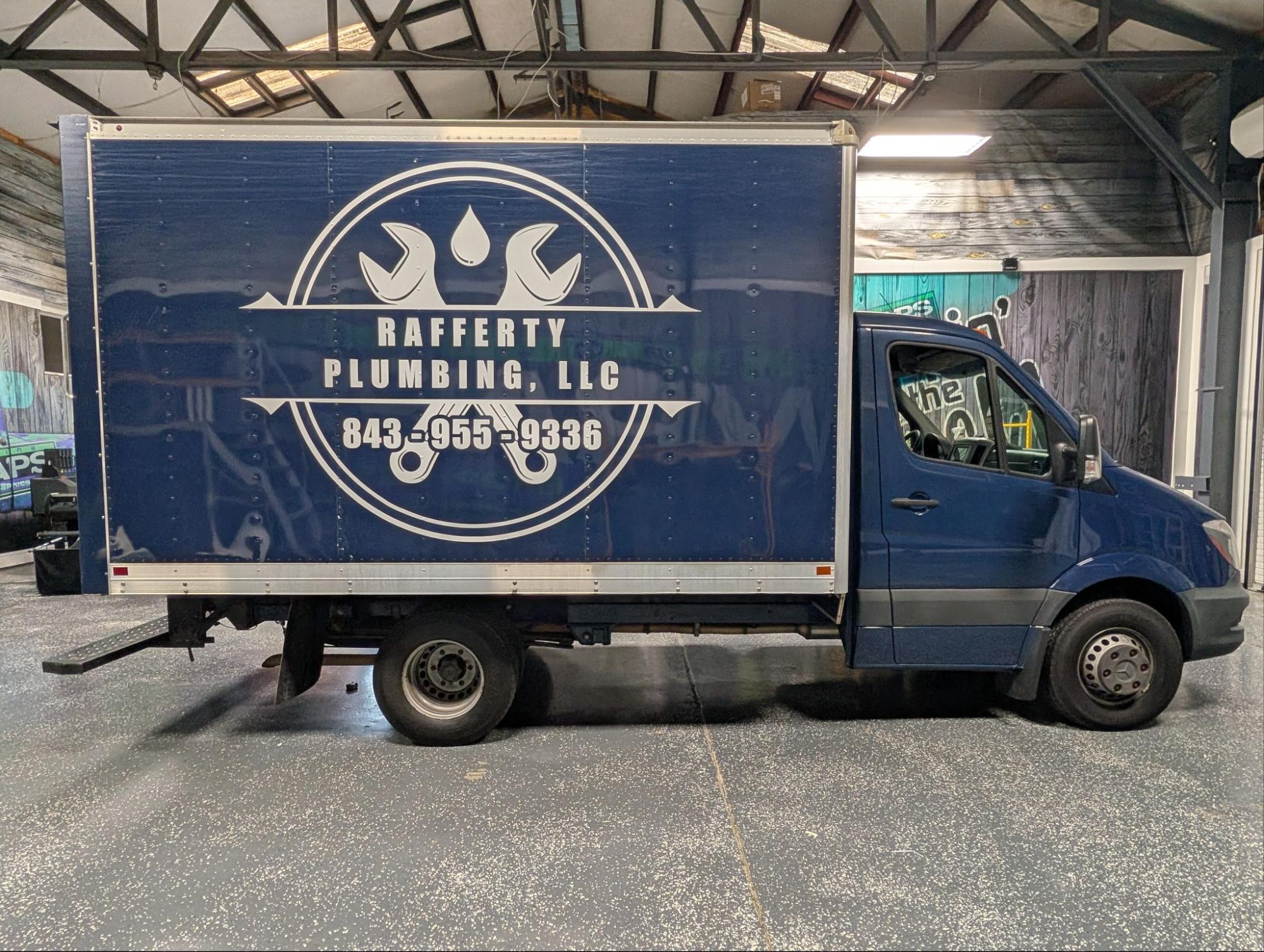
If you want your vehicle to stand out or work harder for your business, you have two main choices: change the paint or add vinyl graphics.
Both can look sharp, but they behave very differently over time. A wrap gives you a new look and branding without touching the factory finish, while paint is a permanent respray that locks in one color and style.
The real decision is about control, commitment, and cost. Wraps are easier to update, easier to remove, and often kinder to resale value. Fresh paint can be the right move for repair or restoration, but it usually means more downtime, more prep, and less flexibility if your branding or taste changes later.
Car wraps vs paint: what are you really choosing between?
Paint replaces or covers the original finish with new automotive coatings. A wrap is a large printed or color vinyl film installed over the existing paint. Paint is permanent unless you repaint again. A wrap is temporary and removable, which makes it ideal for logos, promotions, and color changes that might evolve in a few years.
If your main goal is branding, design flexibility, or protecting good factory paint, wraps usually make more sense. If you are fixing rust, bare metal, or serious body damage, any professional shop will recommend proper paint and bodywork first.
Car wraps vs paint cost: how do the numbers compare?
Costs vary with vehicle size, design complexity, and material quality. Paint pricing climbs quickly when you want high end finishes or custom effects. A wrap often delivers that same visual punch without the long prep process and with less downtime in the shop.
Most businesses focus on how fast the vehicle gets back on the road and how much visibility they gain per dollar. Wrapping once and then updating only the graphics or sections later can stretch a marketing budget further than a full repaint every time your logo or phone number changes.
Which lasts longer, a wrap or fresh paint?
A quality automotive paint job can last many years if it is cared for and not badly sun-baked or neglected. A quality wrap has its own lifespan, usually measured in years as well, depending on sun exposure, storage, and washing habits. The difference is that a wrap is designed to be removed and replaced, while paint is not.
For business owners, that built-in replacement cycle can be a positive. You can refresh your design when the vinyl ages, roll out a rebrand, or upgrade to a new look without touching the protected factory paint underneath.
Do wraps protect or damage your factory finish?
On healthy factory paint, a professionally installed wrap acts like a shield. The vinyl takes the abuse from UV rays, road grime, and minor debris, so the paint underneath stays closer to showroom condition. When removal is handled correctly, the original finish is usually in better shape than if it had been exposed the whole time.
Problems happen when people wrap over failing clear coat, rust, or low-quality resprays. In those cases, vinyl may pull up loose paint or highlight defects. A reputable shop will inspect your vehicle first and tell you honestly if certain panels need bodywork or repainting before wrapping.
Full wrap, partial wrap, or lettering: what fits your goals?
A full wrap covers nearly every painted surface and creates a complete color change or full vehicle design. Partial wraps focus on key panels like the sides and rear, while lettering and spot graphics highlight your logo, contact details, and a simple message. Each option has its place.
If you want to completely transform the vehicle, a full wrap is the right tool. If you mainly need clear branding that looks professional at job sites and on local roads, a targeted partial wrap and smart lettering can hit the mark at a lower cost.
When simple vehicle lettering beats a full wrap
Clean lettering and logos can outperform a busy full wrap if your audience needs quick information, not a mural. Service contractors, local delivery vehicles, and solo operators often get great results from sharp door logos, a legible phone number, and a strong rear design.
You spend less upfront and it is easier to change small details later. A shop that understands vehicle design can help you avoid clutter, pick high-visibility fonts, and place graphics so they read well from a distance and at speed.
Can you wrap over chips, oxidation, or body damage?
Light cosmetic flaws can sometimes be wrapped successfully, but serious issues are a different story. Rust, flaking paint, and deep scratches can keep vinyl from adhering properly and may telegraph through the film. Those spots tend to fail early and spoil the look of the whole job.
A professional installer will point out areas that need sanding, filler, or paint work before wrapping. That extra prep protects your investment and reduces the risk of peeling or bubbling later.
How do wraps and paint affect resale value?
Many buyers and dealers prefer original factory paint in good condition. A wrap that has protected that paint and is removed before sale often helps more than it hurts. The car looks cleaner, newer, and more neutral for the next owner.
Wild colors or heavy branding in permanent paint can narrow your resale audience. A wrap lets you enjoy bold graphics or unusual colors now, then return to factory paint later. For work vehicles, that flexibility can make it easier to sell or reassign units within a fleet.
What does it take to maintain a wrap vs paint?
Both surfaces appreciate gentle washing and some common-sense care. Wraps do best with hand washing or touch-free methods, soft towels, and cleaners made for vinyl. Harsh chemicals, stiff brushes, and aggressive pressure washing can shorten wrap life.
Paint is a little more forgiving but still benefits from regular washing and protection. The big difference is that a wrap has a known useful life. Planning to replace it on a schedule lets you treat maintenance as insurance, not as a guess.
What to look for after searching “vehicle lettering and graphics near me”
Typing “vehicle lettering and graphics near me” brings up a long list of shops, but they are not all equal. Look for a portfolio of real local projects, in house design help, clean installation spaces, and clear explanations of materials and aftercare. Ask how they inspect paint condition, what brands of vinyl they use, and what removal looks like later.
Shops that specialize in wraps and graphics, rather than treating them as a sideline, usually have better systems for design, proofing, scheduling, and quality control so your vehicle is not a test project.
Why work with Carolina Wraps in North Charleston?
Carolina Wraps focuses on wraps, fleet graphics, and vehicle lettering for drivers and businesses around North Charleston and the greater Charleston area. The team handles design, printing, and installation under one roof, which keeps communication simple and helps ensure the finished product matches the original vision.
You can bring a single daily driver, a work truck, or a full fleet and get help choosing the right mix of full wraps, partial coverage, and lettering for your goals and budget, instead of getting pushed toward a one-size-fits-all package.
Ready to choose between wraps and paint with a clear plan?
The smartest decision is not “wrap good, paint bad.” It is matching each option to your vehicle’s condition, how long you plan to keep it, and how hard you want it to work for your brand. Wraps shine for flexible designs, protection, and reversible branding, while paint is still the answer for serious body repair or long-term restoration projects.
If you are ready to talk through your options with a local specialist after searching “vehicle lettering and graphics near me,” get your quote from Carolina Wraps now.